Navigating the 2026 Budget: A Guide for Private Landlords
29 Oct 2026
Following the announcement of the 2026 Budget, headlines have naturally gravitated toward rising tax bands and fiscal shifts. For private landlords, hearing about further regulatory and financial adjustments can feel exhausting.
However, taking a calm, measured look at the details reveals that these changes are neither immediate nor unmanageable. Most measures do not take effect until April 2027, giving property owners ample breathing room to review their portfolios, optimise day-to-day operations, and put practical mitigations in place.
With the margin for administrative error narrowing, managing a rental property is increasingly about strategic, professional oversight. Here is a clear breakdown of what the 2026 Budget means for private landlords, alongside practical steps to protect your rental yield and peace of mind.
Separate Income Tax Rates for Rental Profits
What Changed?
From 6 April 2027, the government plans to decouple property income from general earned income tax bands, introducing distinct rates for unincorporated landlords (those owning property in their personal names).
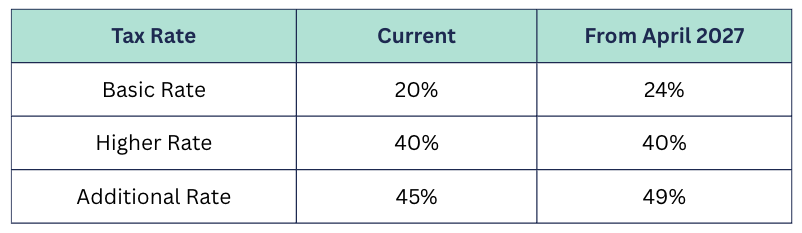
Mortgage interest tax credits (Section 24) are expected to align with the new property basic rate, rising from 20% to 24% to help offset the baseline increase.
What This Means in Practice
If you hold properties in your own name, you will face an additional 4% tax charge on your net taxable rental profits starting with the 2027/28 tax year. Corporation tax rates remain unchanged, maintaining the appeal of corporate structures for portfolio growth.
How to Mitigate:
1) Perform a Portfolio Health Check
Calculate your net taxable rental profit today. For a higher rate taxpayer making £15,000 in net profit per year, a 4% increase equates to £600 annually, an operational cost to plan for rather than an existential threat.
2) Review Spousal Allocations
If you own property jointly with a spouse or civil partner in a lower tax bracket, review your beneficial interest declarations (via a Declaration of Trust and Form 17) with your tax adviser to distribute rental profits efficiently.
3)Lean on Professional Portfolio Audits
A proactive managing agent does more than collect rent, they work directly with property accountants to ensure your rental statements clearly separate capital expenditure from revenue expenses, giving you transparent documentation to minimise taxable profit legally.
Expanded Reporting and Digital Compliance
What Changed?
HM Revenue & Customs (HMRC) confirmed continued investment into automated cross-referencing between tenancy deposit schemes, mortgage records, and letting data. Alongside phased Making Tax Digital (MTD) milestones, the demand for precision in property accounting has reached a new standard.
What This Means in Practice
The era of digging out receipts once a year in January is firmly in the past. To maximise tax deductions and satisfy HMRC scrutiny, every single cost, fee, and maintenance bill must be tracked and categorised throughout the year.
How to Mitigate:
1) Capture Every Allowable Expense
The easiest way to counteract a 4% tax adjustment is ensuring you claim 100% of your allowable expenses. Safety inspections, inventory checks, maintenance callouts, and letting agency management fees are all fully deductible revenue expenses.
2) Automate Compliance and Record-Keeping
Self-managing landlords often lose track of smaller invoices or delay routine repairs until they turn into costly capital works. Partnering with a comprehensive management team gives you a complete, digital audit trail of monthly statements, invoices, and compliant contractor receipts, ready to hand straight to your accountant at year end.

Targeted Reliefs and Operational Cost Offsets
What Changed?
The Budget introduced several targeted measures that offer direct operational cost reductions:
The planned reduction in fixed daily gas standing charges lowers baseline utility costs, particularly beneficial during turnaround periods or for landlords offering bills inclusive agreements.
Main rate first year allowances remain elevated at 50% through early 2027, giving qualifying mixed use and commercial property investors front loaded tax relief.
Stamp Duty Land Tax on the rent element of assured tenancies is officially abolished, removing an unnecessary layer of red tape.
How to Mitigate:
1) Audit Void-Period Costs
Ensure utility providers are promptly notified during tenancies to avoid lingering charges. Professional agents handle utility changeovers and meter readings automatically at check-in and check-out, ensuring you never pay for tenant consumption.
2) Plan Preventative Maintenance
Scheduling minor refurbishments and required safety updates before key transition dates maximizes immediate tax deductions against current income bands.
Tenant Affordability and Sustaining Yields
What Changed?
With Local Housing Allowance (LHA) rates remaining frozen and the National Living Wage rising to £13.21/hr from April 2027, tenant affordability dynamics are continuing to shift.
What This Means in Practice
Reacting to tax rises by sharply escalating rents can often backfire, leading to extended void periods, tenant dissatisfaction, or arrears. Long-term net yield is driven by occupancy stability and prompt payment, not just the headline rent figure.
How to Mitigate:
1) Prioritize Tenant Retention
A reliable, long-term tenant paying slightly under peak market rent almost always yields better annual net returns than a vacant property or high tenant turnover.
2) Rely on Local Market Benchmarking
Setting rent requires delicate balance. An experienced letting agent continuously benchmarks local market rates, conducts stringent referencing, and facilitates sensitive, data-backed rent reviews that protect your yield while keeping quality tenants in place.
A Clear Strategy for the Next 12–18 Months
Rather than reacting to headlines, successful property investment comes down to treating your portfolio like a well run business:
Speak with your financial adviser or accountant to model your projected tax liabilities under the new rates.
Unnecessary voids, missed deductions, and compliance oversights cost far more over a year than the proposed tax adjustment.
Having an experienced managing agent on your side means your legal compliance is safeguarded, tenant relationships are handled professionally, and your property operates at maximum financial efficiency.
Rental property continues to be one of the UK’s most reliable long-term investments. With the right team handling the day-to-day complexities, you can navigate these legislative adjustments with total confidence.
Book a Complimentary Portfolio Review
Navigating regulatory updates shouldn’t mean spending your weekends cross-checking spreadsheets or stressing over HMRC deadlines.
Whether you hold a single rental property or an expanding multi-unit portfolio, our team is here to help you protect your returns, streamline your day-to-day operations, and ensure full compliance ahead of the upcoming changes.

PLEASE NOTE: This blog does not constitute financial advice and is for educational purposes only. Seek professional advice should you require financial help.

Rated 5 stars on Google
by our customers

Talk to an Ultralets
team member