A Landlord’s Guide to EICRs
10 Nov 2026
Keeping tenants safe and properties compliant is part and parcel of being a responsible landlord. Among the various legal obligations, few carry as much weight or cause as much confusion as electrical safety. Enter the Electrical Installation Condition Report (EICR).
Whether you’re managing a single buy-to-let in East Yorkshire or anywhere in the UK for that matter, understanding how an EICR works, what the outcome codes mean, and how to handle remedial work is essential.
Here is our simple breakdown of everything you need to know to stay on the right side of the law.
What Is an EICR?
An Electrical Installation Condition Report is a thorough inspection designed to evaluate the safety and condition of a property’s fixed electrical wiring and fixtures.
During an inspection, a qualified electrician thoroughly tests:
- Consumer units (fuse boards)
- Earthing and protective bonding
- Fixed wiring, switches, and sockets
- Permanent light fittings
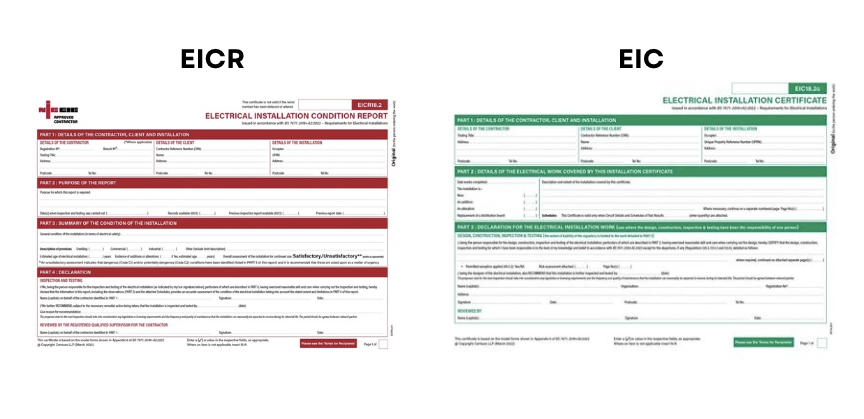
The primary goal is simple, to confirm whether the electrical setup is safe for continued use. Once finished, the inspector issues a formal report outlining whether your property passes (Satisfactory) or fails (Unsatisfactory), alongside any necessary repairs and the date your next test is due.
Decoding the EICR Fault Codes
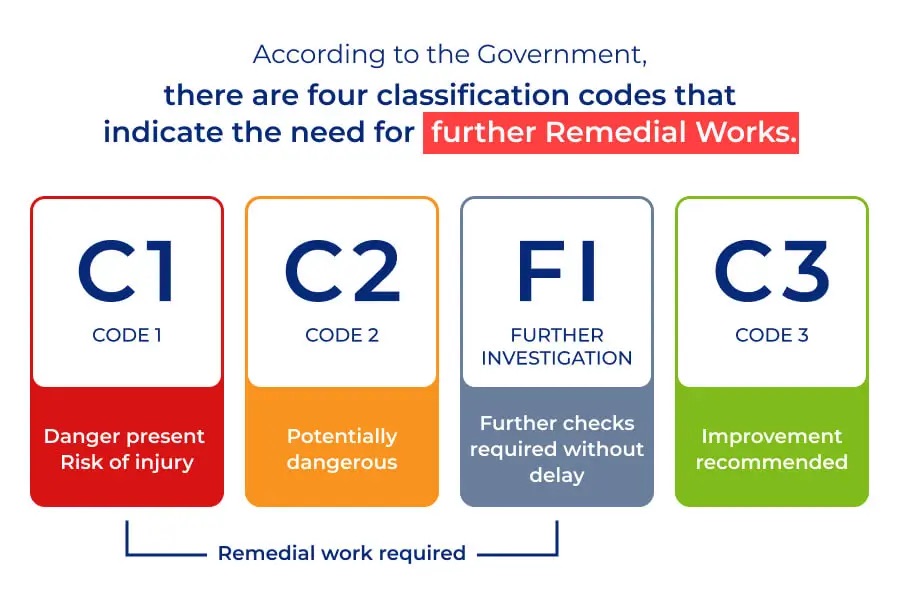
If the inspector finds issues, they will categorise them using standardised industry codes. These codes dictate whether your certificate passes and how quickly you must act.
Unsatisfactory Codes (Action Legally Required)
- Code C1 (Danger Present): A direct risk of injury exists right now. The electrician will often take immediate temporary action to make the system safe before leaving the property.
- Code C2 (Potentially Dangerous): Urgent remedial work is required. While not posing an immediate danger during the test, it could become hazardous if a fault develops.
- Code FI (Further Investigation Required): The electrician couldn't fully assess a circuit or component, meaning safety cannot be confirmed without deeper investigation.
If your report includes just one C1, C2, or FI code, the overall report is officially Unsatisfactory. You are legally obligated to resolve the issue within 28 days (or sooner if specified by the inspector).
Satisfactory Code (Advisory Only)
- Code C3 (Improvement Recommended): An item doesn’t meet current wiring regulations, but it is not dangerous. Often, this applies to older fittings that complied when originally installed.
- A C3 observation does not fail an EICR. If your report only features C3 codes, your property receives a Satisfactory rating. You are not legally required to carry out this work, although doing so can modernise the property and improve safety standards.
What to Do If Your Rental Receives an Unsatisfactory Report
Don’t panic, but do move quickly. The clock starts ticking from the exact date of the inspection.
- Appoint a qualified, registered electrician to carry out the repairs or investigations within 28 days (or the shorter timeframe noted on the report).
- Secure written certification from the electrician confirming that the remedial work has been completed and that the installation now meets legal safety standards. This is called an EIC or Electrical Installation Certificate.
- Send a copy of the original report along with the EIC to your tenant(s) within 28 days of the work finishing.
Penalties for Non-Compliance: What Are the Risks?
Failing to arrange an EICR or ignoring required remedial works carries severe consequences.
- If you fail to act, the local housing authority can step in, arrange emergency repairs directly with your tenant, and bill you for all associated costs.
- Local authorities have the power to issue financial penalties of up to £40,000 for serious electrical safety breaches.
Staying proactive with inspections isn't just about ticking a compliance box, it protects your tenants and safeguards your rental income.
 What If a Tenant Refuses Access for Electrical Works?
Gaining access for safety checks can occasionally be tricky. Fortunately, the law protects landlords who make genuine, documented efforts.
You will not be held in breach of your obligations if you can prove you made all reasonable efforts to gain entry.
To build a solid legal defence:
- Make at least three documented attempts to contact the tenant (via letter, email, or text) requesting access.
- Remind the tenants that the inspection is for their personal safety and is a legal requirement.
- Ask them to provide alternative dates and times if the suggested slot is inconvenient.
- Retain copies of every message, timestamped letter, or missed appointment log.
You do not need to take legal action or pursue eviction just to prove you made reasonable efforts. A clear paper trail showing three proactive attempts is typically sufficient for local housing authorities.
Do You Need a New EICR Every Time a Tenant Moves In?
In short…no.
A standard domestic EICR is valid for up to 5 years, unless the inspector explicitly states a shorter time frame due to the age or condition of the installation. You can supply the existing, valid certificate to any incoming tenants throughout that five year window.
Watch out for misconceptions: Some reports mistakenly state valid for "5 years or until change of tenancy." A standard tenancy handover does not automatically invalidate an EICR under national regulations. If your certificate says this, check in with your qualified electrician to ensure their paperwork reflects standard intervals.
Take the Stress Out of Property Compliance
Between gas certificates, EPC ratings, smoke alarm checks, and EICR deadlines, managing property compliance can quickly become a full-time job.
At Ultralets, our in-house maintenance and property management teams keep East Yorkshire landlords protected 365 days a year. From scheduling routine checks to managing urgent remedials, we make sure your investments stay fully compliant without the headache.


Rated 5 stars on Google
by our customers

Talk to an Ultralets
team member